
Floating Stairs for Interior Design Magazine Features
Editors love a stair that reads instantly in photos. Floating stairs do that well. They create negative space, clean lines, and a strong focal point without filling the frame with heavy structure.
Published: April 6, 2026
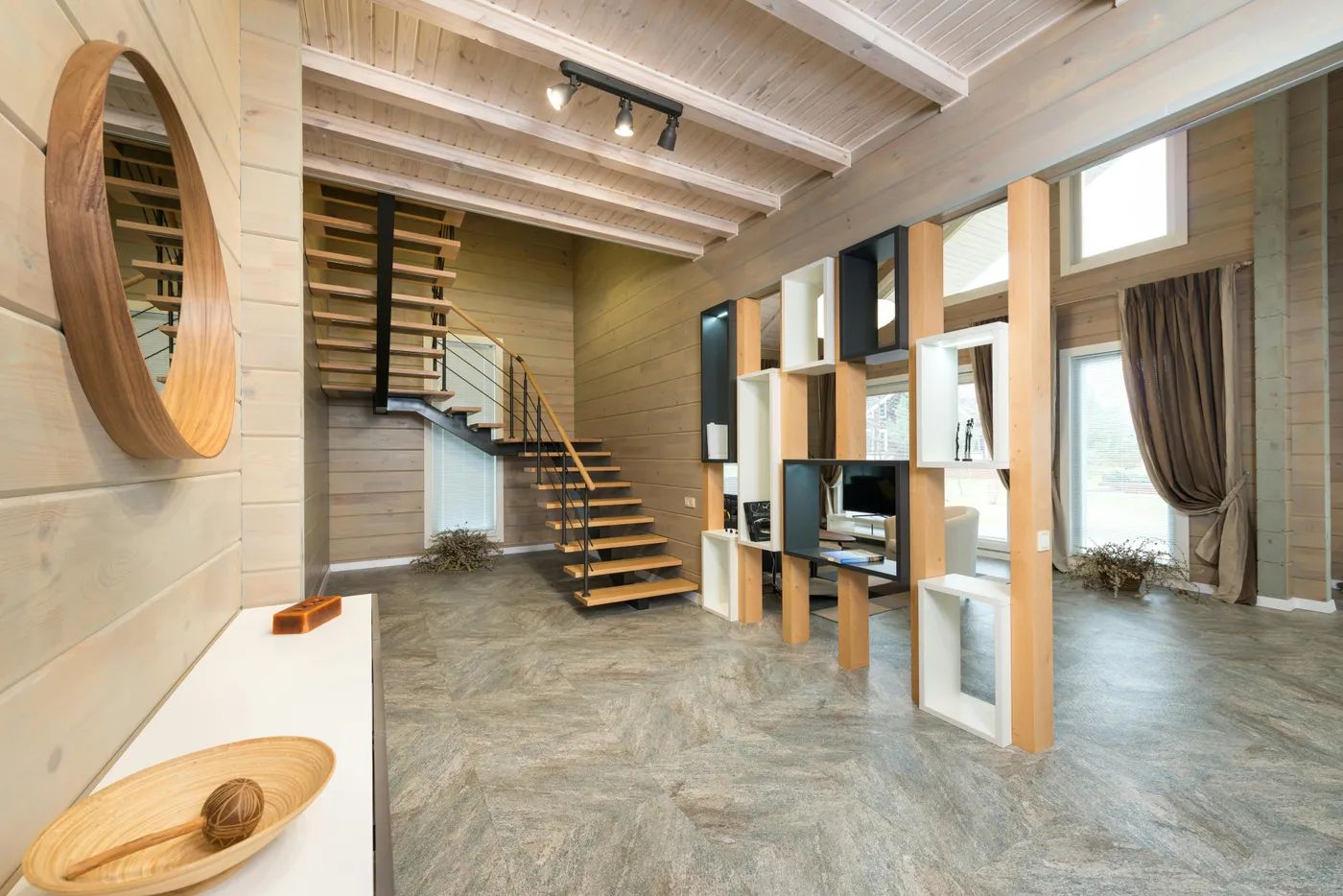
At Jacksonville Floating Stairs , we understand why floating stairs keep landing in editorial spreads. They make a room look intentional from the first photo. But the featured projects that stay impressive beyond the magazine page all have the same thing in common: the stair works in person too.
Why editors reach for floating stairs
They photograph cleanly. That's the main reason. A boxed stair eats up view lines. A floating stair keeps the room legible from multiple angles. The camera can pick up the floor plane, the wall plane, and the open risers all at once.
That matters in magazines because every feature has only a handful of frames to tell the whole story. A staircase that doubles as sculpture helps the project read faster.
The best featured stairs have one clear idea
Some editorial projects chase too much. Thick treads, bold lighting, glass, black steel, stone walls, dramatic pendants. The photo may work once. The house usually gets tired faster.
Magazine-worthy stairs usually have a tighter point of view. Maybe the story is the thin tread profile. Maybe it's the curved stringer. Maybe it's the way the stair floats across a wall washed in natural light. One strong move. Not a stack of them.
Styling helps, but it can't fix bad geometry
Good photography can hide a lot. It can't hide awkward rise-run proportions forever. It can't hide vibration. It can't hide a rail system that feels like it was solved late. That's why some heavily published stairs still feel disappointing in person.
If a stair is going to carry a feature, it has to work from more than one angle. Straight on. From below. From the landing. In daylight. At night. During actual use. That's where strong design separates itself from a one-photo concept.
Material combinations editors keep returning to
- White oak treads with frameless glass
- Dark wood treads with slim black steel support
- Curved steel spines with quiet neutral finishes
- Integrated lighting used sparingly, not as a gimmick
- Wall details that let the stair cast real shadow
Notice the pattern? Strong lines. Controlled materials. A lot of room for light to do the work.
If you want a feature-worthy stair, design for the house first
Not every room wants a magazine stair. Some spaces need a quieter answer. Some openings are too tight. Some houses are better served by a refined conventional stair than a floating system trying too hard to look editorial.
The irony is simple: the projects most likely to get featured are usually the ones that didn't chase a feature. They solved the house honestly, used good restraint, and let the stair become memorable on its own.
What to ask before you push for an editorial look
Ask whether the stair still works without the photographer. Ask how the support is being handled. Ask what changes once the guard is added. Ask how the stair meets the floor and the upper landing. Those details decide whether the feature survives real life.
A floating stair can absolutely carry a project visually. It just has to be built with the same discipline the camera rewards.
Want a stair that looks sharp in person and in photos?
We can review the geometry, material mix, and support strategy so the finished stair holds up beyond the rendering and the camera angle.