
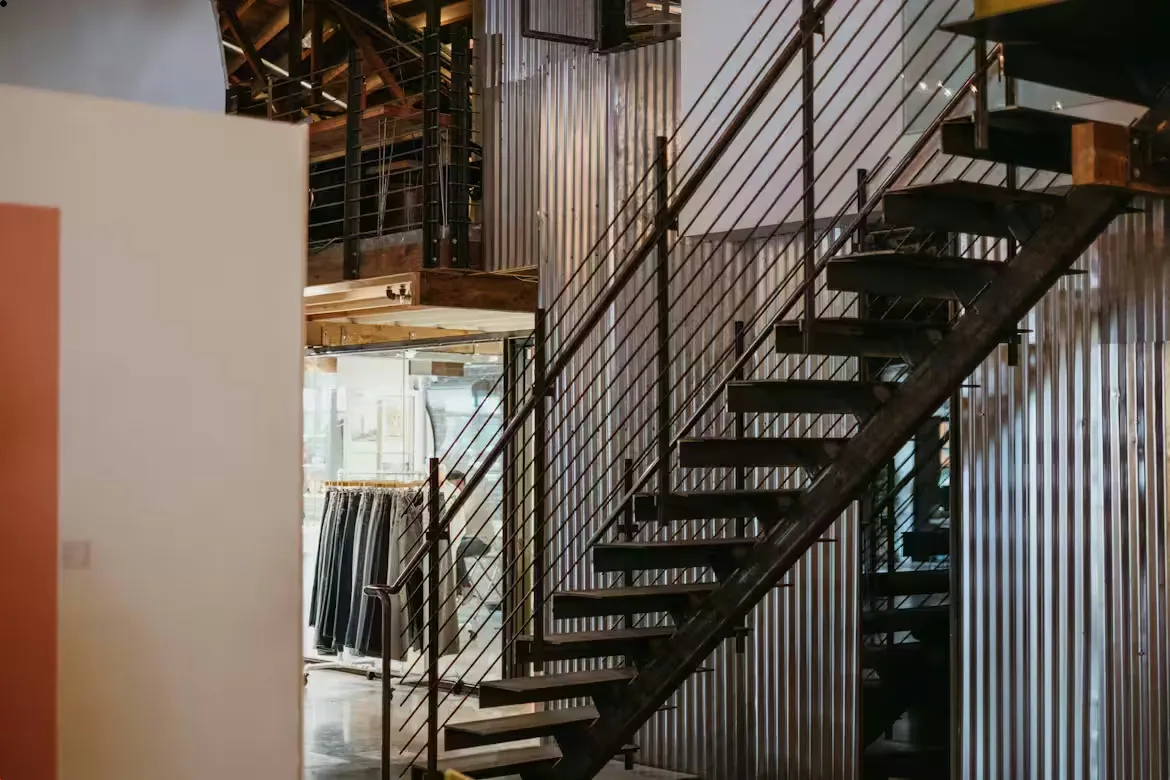
Annual Floating Stair Safety Inspection in Jacksonville, FL
Annual anchor torque checks, finish assessment, and hardware inspection. Catch problems before they become structural — or cosmetic — issues.
Jacksonville Floating Stairs offers annual safety and maintenance inspections for floating staircases we installed — and for systems installed by others that owners want independently assessed.
Epoxy anchors relax over time. The initial torque value drops as the epoxy creeps slightly under sustained load. In a household with daily traffic, this relaxation is predictable and manageable — but only if it's monitored. A floating stair that starts with perfectly torqued anchors will have measurably different anchor torques after three years if it's never re-checked.
Jacksonville's humidity cycles stress hardwood treads seasonally. Wood expands and contracts, which works against the hardware that holds each tread in place. Over years of cycling, this movement can work fasteners loose if the connection system wasn't designed with enough clamping force. We check each tread during the annual inspection and re-torque where needed.
Coastal locations near Atlantic Beach and Neptune Beach see accelerated hardware corrosion even on indoor stairs if the house isn't tightly sealed. Salt air finds its way in. We check fasteners, rail hardware, and any exposed metal for corrosion — and replace or treat before the corrosion reaches a structural component.
One visit per year. Worth it.
Available to all Jacksonville-area floating stair owners — not just our installs.
Annual Inspection Checklist
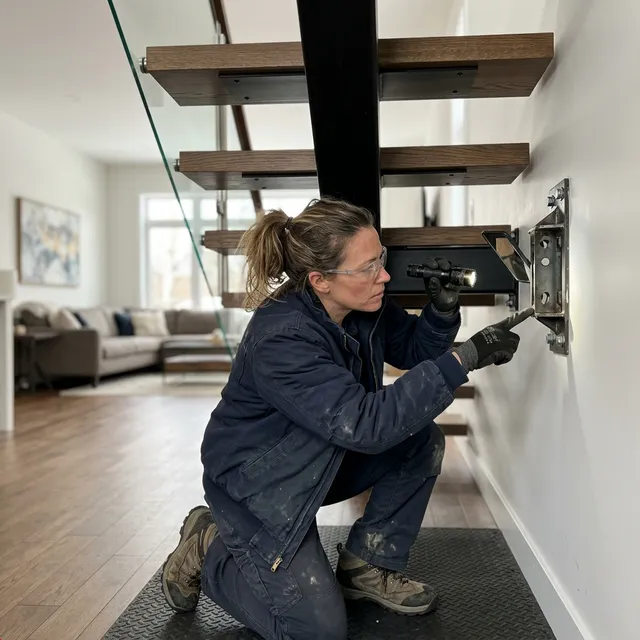
Why inspections matter after the staircase is finished
Floating stairs stay quiet and precise when hardware stays tight, finishes stay protected, and movement gets caught early. Annual inspections are less about sales and more about preventing small issues from becoming visible or structural problems.
Homes with children, pets, or heavier daily use benefit even more from a maintenance cycle. We check anchor torque, tread condition, rail stability, finish wear, and any movement at interfaces before those details start affecting the feel of the stair.
- Torque checks, rail checks, and early movement detection
- Finish review for UV wear, moisture exposure, and traffic patterns
- A maintenance record that helps you plan upkeep instead of reacting late
Annual Inspection — FAQ
Do floating stairs really need annual inspections?
Can you inspect a floating staircase you didn't install?
How long does the annual inspection take?
What happens if the inspection finds a structural problem?
Is the annual inspection covered under any warranty?
One Visit Per Year Keeps Your Staircase Right
Available to all Northeast Florida floating stair owners. Written report included.